Hub Motor vs Belt Drive Electric Skateboard — Which Drive System Is Right for You?
If you’re shopping for an electric skateboard, you’ll quickly run into two types of drive systems: hub motors and belt drive. At a glance, they might seem like a minor technical detail — but the drive system is arguably the single biggest factor shaping your ride experience, your maintenance schedule, and your upgrade ceiling.
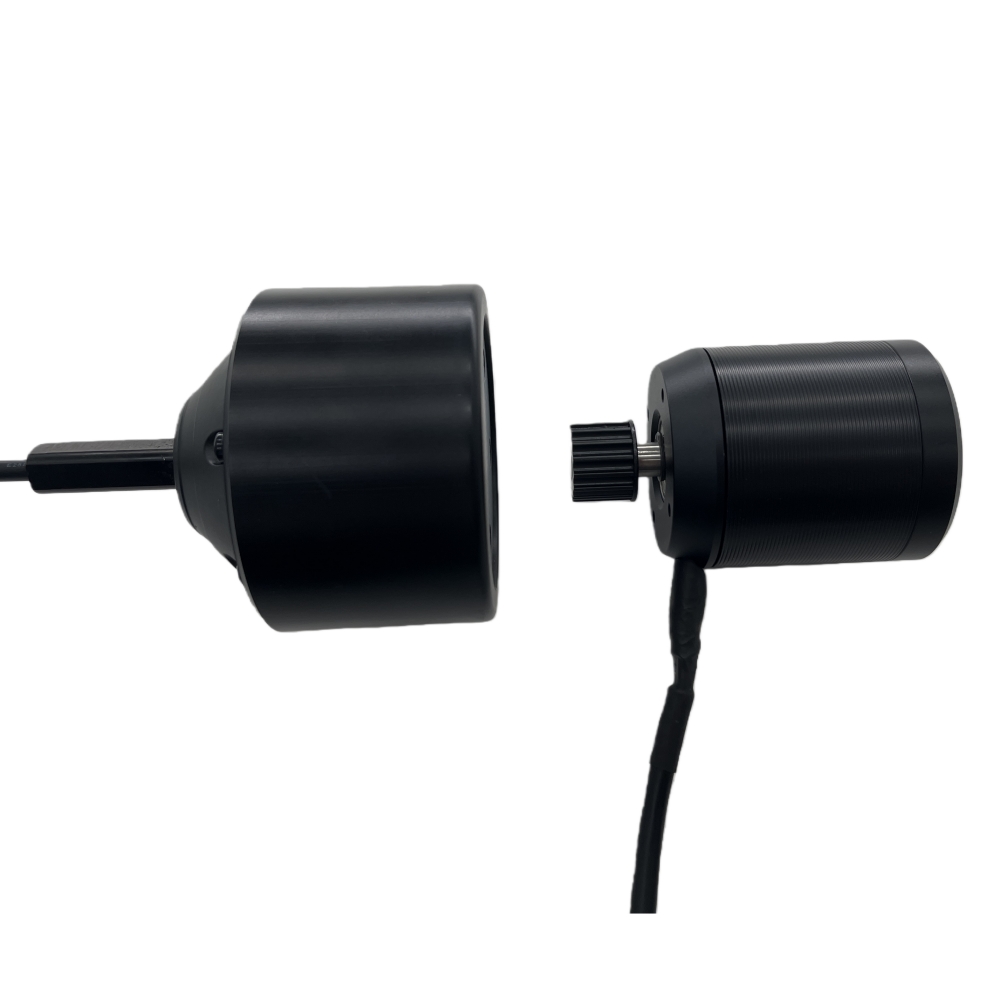
I’ve spent nearly a decade manufacturing electric skateboards at Verreal. I’ve built boards with both systems, tested them across different terrain types, and watched firsthand how each one performs under real-world riding conditions — not just spec-sheet numbers.
This guide breaks down both systems honestly, so you can choose the one that actually fits how you ride.
Hub Motor Electric Skateboards
What Is a Hub Motor?
A hub motor puts the motor directly inside the wheel. There are no external pulleys, no belt, no exposed drivetrain — the motor is the wheel. A thin urethane sleeve wraps around the outside, giving you grip and a small amount of cushioning.
This is the most common drive system in entry-level electric skateboards, and for good reason.
The Advantages of Hub Motors
Clean look and low profile. Hub motors give a board a simple, minimal look. From the side, a hub motor board looks almost the same as a regular skateboard. If you want something that doesn’t stand out as electric, hub motors win on looks.
Quieter ride. Without a belt and pulley spinning at high speed, hub motors run much quieter. In cities where noise stands out, this matters more than most people expect.
Lower cost. Fewer mechanical parts means lower cost to build, and that saving passes to the buyer. Most hub motor boards are priced between $200–$600, making them the entry point for the market.
Low maintenance. No belt to tension, no pulley to align, no motor mount to check. The most common maintenance task on a hub motor board is replacing the urethane sleeve. You will need a skate tool or wrench to remove the wheel, but the process is still simple and straightforward.
The Limitations of Hub Motors
(1) Power and performance limits.
This is the core trade-off built into the hub motor design. Because the motor sits inside the wheel, its size is limited by the wheel diameter. That limits the stator size, the magnet area, and ultimately how much torque it can produce.
Hub motors typically run at 70–80 KV. Belt drive motors run at 155–170 KV and higher — and they use the pulley ratio to multiply torque mechanically. The result is a clear power gap on hills, hard acceleration, and fast riding.
For flat city commuting at normal speeds, a hub motor works well. For hills, high-speed performance, or rough terrain — the physics work against you.
(2) Limited wheel options and off-road ability.
Hub motors are designed around a specific wheel size. Most hubs work with 90–120mm urethane wheels. That covers street riding fine, but it cuts you off from larger wheels.
True off-road riding needs 150–175mm pneumatic or foam-filled wheels. Reliable, high-performance hub motors in those sizes basically don’t exist. Larger wheels also mean a heavier motor, and that extra weight makes the ride feel slower and less responsive.
(3) Less comfort on rough roads.
With the motor taking up most of the wheel’s space inside, there’s very little room for cushioning material. Hub motor wheels use thin urethane sleeves — usually 10–15mm thick. Even softer urethane can’t make up for that limited thickness.
The result is a harder ride over cracked pavement and road debris. The vibration goes straight through the board and into your feet, which causes fatigue on longer rides.
(4) Limited truck compatibility.
Hub motors come in two main types: press-fit (pressure axle) and through-axle. Each type works with only a limited range of trucks, and motors from different brands are rarely interchangeable.
This matters if you want to upgrade your trucks for better carving, or if you want to rebuild your board later. The compatibility options are narrow, and mixing parts between brands usually doesn’t work.
(5) Heat builds up faster.
Motor heat has to go somewhere. In a belt drive system, the motor is fully open to airflow — moving air carries heat away while you ride. In a hub motor, the motor is surrounded by urethane, which holds heat in rather than letting it escape.
Under heavy use — long hills, repeated hard acceleration — hub motors heat up faster and cool down slower. When the motor gets too hot, the ESC will reduce power to protect the hardware. In practice, this means performance drops before a belt drive system would under the same conditions.
Belt Drive Electric Skateboards
What Is a Belt Drive?
A belt drive system uses an external motor — usually mounted to the truck — connected to the wheel through a toothed belt and two pulleys: a small motor pulley and a larger wheel pulley. The difference in pulley sizes is what gives belt drive its power advantage.
Belt drive is the standard system in mid-range and high-end electric skateboards.
The Advantages of Belt Drive
(1) Much more power.
Belt drive motors are physically larger and not limited by wheel size. The most widely used motors today are the 5255 from Hobbywing, and the 6368 and 6374 from DXW. The first two digits tell you the motor shell diameter in millimeters. The last two digits tell you the length of the motor body.
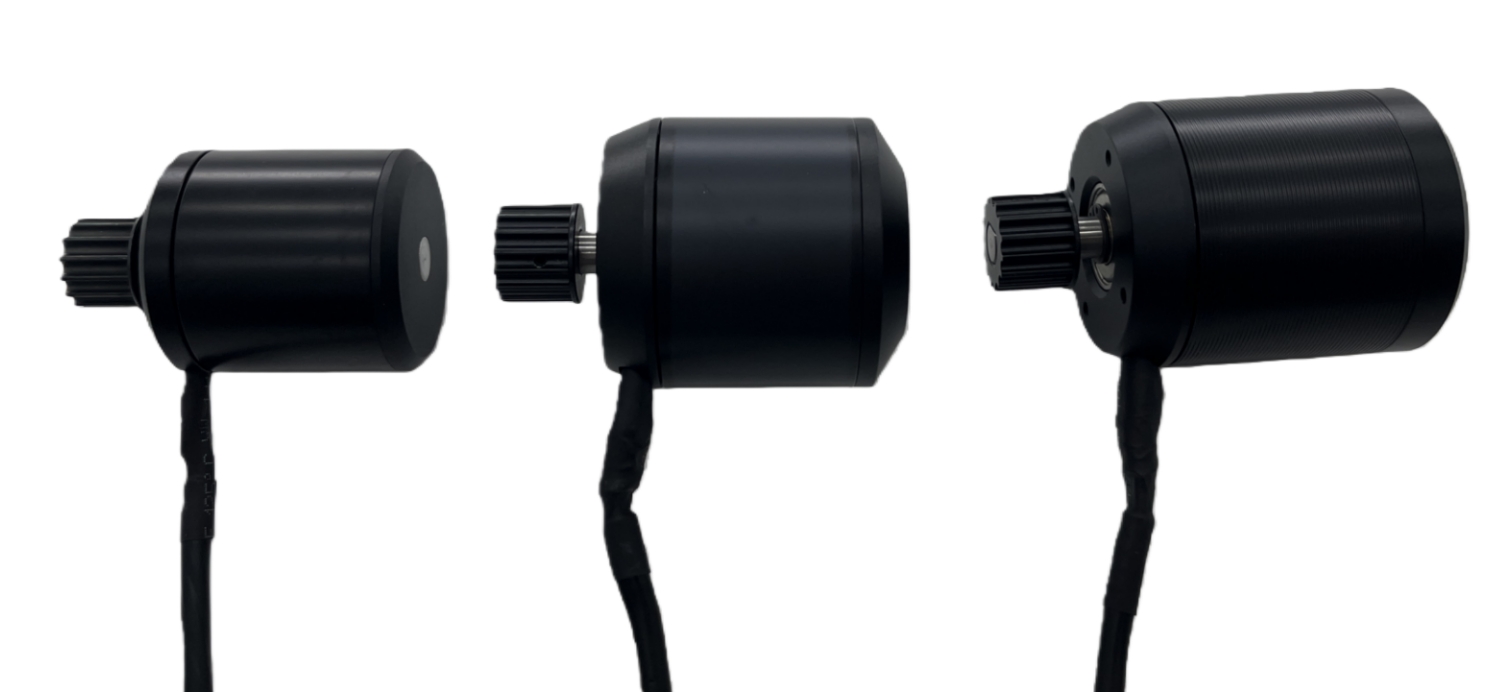
These motors run at 155–170 KV and above, and the belt-and-pulley system reduces speed while multiplying torque. You can also tune the power by changing pulley sizes — a smaller motor pulley increases torque, a larger one increases top speed. No hub motor system gives you this kind of control.
(2) Better sustained performance and cooling.
Belt drive motors are fully open to airflow while you ride. Heat escapes easily — the motors stay cooler under the same load, and can hold peak power longer before any throttling kicks in.
These motors also handle higher continuous current. For riders who push hard — long sessions, steep hills, heavier body weight — the cooling advantage of belt drive means more consistent performance throughout the ride.
(3) Better wheel options and more comfort.
Because the motor is separate from the wheel, the wheel itself is a normal skateboard wheel. This opens up the full range of wheel options: different urethane hardness levels, larger sizes for rough terrain, pneumatic tires, foam-filled wheels, and more.
A larger, thicker wheel absorbs more impact. On the same road surface, a belt drive board with 110mm wheels will ride noticeably smoother than a hub motor board with 90mm hubs — simply because the wheel can do its job without limits. Belt drive is also the only real path to off-road performance.
(4) More room to upgrade and customize.
Belt drive parts are largely standard across brands. Motors from different makers often share the same mounting dimensions. Pulleys come in many tooth counts. Belts are widely available. Trucks, wheels, and motor mounts exist in a large and open ecosystem.
If you want to modify your setup, try different configurations, or build a board from scratch, belt drive is the platform that makes it possible. Hub motor boards are mostly fixed systems — what you buy is what you get.
The Technical Details That Matter
Motor sizing — what the numbers mean.
When you see a motor spec like “5255,” the first two digits tell you the motor shell diameter in millimeters, and the last two digits tell you the length of the motor body. A 6374 is larger in both dimensions than a 5255 — more space inside, more magnet area, more potential torque.
However, different manufacturers vary a lot in their internal specs — the stator length, magnet quality, and winding inside the same shell size can be very different between brands. Outer size alone doesn’t tell the whole story.
Pulley selection — where most people go wrong.
The motor pulley is the small gear attached to the motor shaft. It’s a detail many riders ignore until something breaks.
Avoid 3M profile pulleys. ESC technology has improved a lot in recent years, and modern boards push far more power than boards from five or six years ago. The 3M belt profile cannot handle that load — you will get belt skipping under hard acceleration. It’s not a question of if, but when.
The current standard is 5M profile. It handles the power of modern high-performance ESCs without skipping.
Use steel motor pulleys, not aluminum. Aluminum wears down much faster than steel. The constant contact of belt teeth against an aluminum surface degrades the pulley shape over time, which leads to early belt wear and eventually skipping.
Keep the motor pulley at 14–15 teeth minimum. Fewer teeth means fewer belt teeth in contact with the pulley at one time. Less contact concentrates all the force on a small number of teeth, which makes skipping much more likely and wears out the belt faster. At 14–15 teeth minimum, you have enough contact to spread the load properly.
Side-by-Side Comparison
| Hub Motor | Belt Drive | |
|---|---|---|
| Price range | $200–$600 | $400–$2,000+ |
| Maintenance | Low (sleeve replacement) | Regular (belt, pulley check) |
| Noise level | Low | Moderate |
| Looks | Clean, minimal | Mechanical, visible drivetrain |
| Hill climbing | Good for mild hills | Excellent |
| Top speed potential | Moderate | High |
| Wheel options | Limited (90–120mm) | Full range including off-road |
| Ride comfort | Moderate | Better (thicker wheels) |
| Cooling | Limited | Excellent |
| Upgrade potential | Low | High |
| DIY / tuning | Limited | Extensive |
Which One Should You Choose?
Choose a hub motor if:
- You’re new to electric skateboarding and want something simple to start with
- You mostly ride on smooth, flat city streets
- Budget is a key factor
- You want low maintenance and a clean-looking board
- You don’t plan to modify or upgrade your setup
Choose belt drive if:
- You ride hills often, or live somewhere with a lot of elevation change
- You want the option to ride off-road or on mixed terrain
- You’re interested in upgrading or customizing your board over time
- You’re a heavier rider (belt drive handles sustained load better)
- You’re happy to do some maintenance in exchange for better performance
A Note From a Manufacturer
Most marketing from electric skateboard brands will tell you their drive system is better. The honest answer is that both systems have real use cases — the right one depends entirely on how and where you actually ride.
What I care about more than the hub vs. belt debate is the gap between spec claims and real-world performance. Motor KV ratings, pulley configurations, and belt profiles are things most review channels never cover — but they have a direct impact on how long your board lasts and how it performs under pressure.
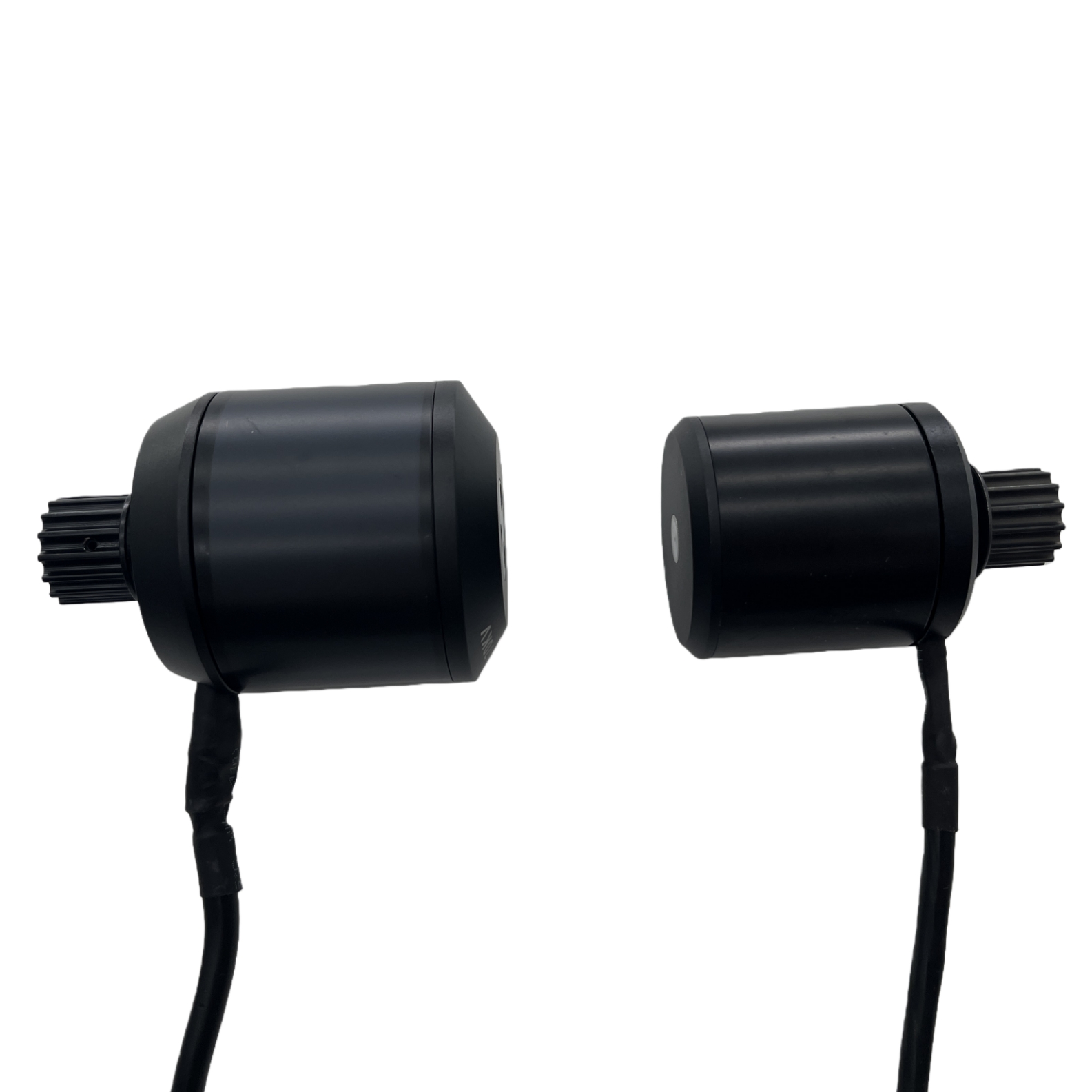
Buy from brands that are open about their component specs. Ask what belt profile they use. Ask whether the motor pulleys are steel or aluminum. If a company can’t answer those questions, that tells you something.
Conclusion
Hub motors and belt drive systems each represent a different idea of what an electric skateboard should be. Hub motors focus on simplicity, low cost, and a clean look. Belt drive focuses on performance, flexibility, and long-term upgrades.
Understanding the trade-offs — not just the marketing — is how you choose a board you’ll still be happy with a year from now.
If you have questions about specific boards or components, join our Discord community — we talk about this stuff all the time and I’m happy to go deeper on any of it.
Related Reading: